The Research-Heavy Patient Journey
Non-surgical aesthetics patients are researchers. They spend significant time online comparing treatments, understanding technology, and evaluating clinics before making contact. Your website is where most of this research happens. It needs to answer questions, build confidence, and ultimately convert that research into consultation bookings.
This research behaviour shapes everything about effective non-surgical aesthetics websites. Pages need depth that satisfies information-seeking patients. Navigation needs clarity that helps people find specific treatments. Design needs sophistication that matches the premium positioning of non-surgical aesthetics. And conversion paths need to capture patients when their research leads them toward action.
Treatment-Focused Architecture
Non-surgical aesthetics encompasses diverse treatments addressing different concerns through different technologies. Patients typically research specific treatments rather than browsing generally. They want detailed information about skin tightening or body contouring or rejuvenation, not generic aesthetics content.
Effective websites organise around treatments and concerns rather than forcing patients to figure out where to find information. Dedicated pages for each treatment category provide the depth researchers need. Clear navigation helps patients find their area of interest immediately. This architecture also supports SEO, capturing searches for specific treatments in your area.
Technology Communication
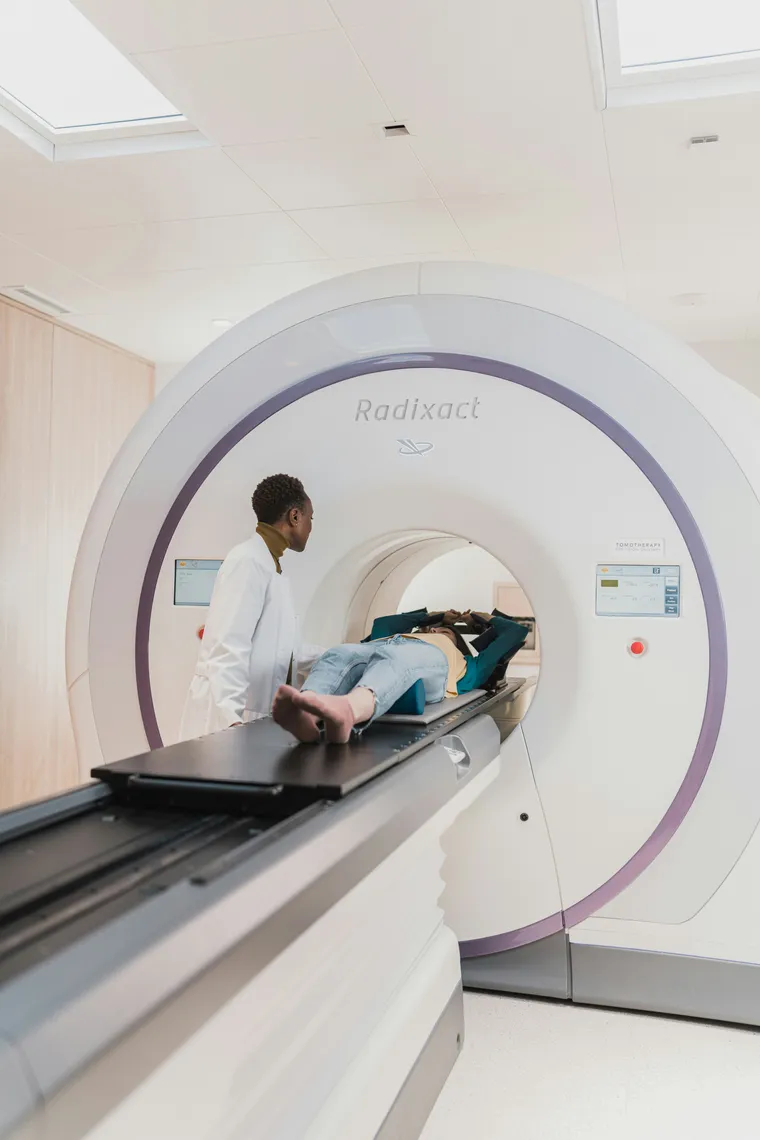
Non-surgical aesthetics relies heavily on device technology. Patients research specific platforms and want to understand what makes treatments effective. But technical specifications don't drive consultations. Effective websites translate technology features into patient benefits: what the treatment achieves, how it feels, what recovery involves, and what results to expect.
Technology pages serve an important trust-building function. Patients who understand the science behind treatments feel more confident booking consultations. They arrive better informed and more likely to proceed. The key is making technology accessible without oversimplifying or making claims that violate compliance guidelines.
Visual Design That Sells
Non-surgical aesthetics is inherently visual. Patients considering these treatments care about aesthetics, which means they evaluate your clinic partly based on website design quality. A dated or unprofessional website suggests the clinic may deliver similar quality in treatment. Premium design communicates premium care.
But design alone doesn't convert patients. Strategic layouts guide visitors toward consultation booking. Clear calls-to-action appear at decision points throughout treatment pages. Mobile experience works flawlessly because most research happens on phones. Every design decision serves both aesthetic appeal and conversion goals.
AHPRA Compliance in Website Content
Non-surgical cosmetic procedures face strict AHPRA advertising guidelines. Website content must avoid creating unrealistic expectations, use testimonials carefully, and present before-after imagery within specific rules. Practices that ignore these requirements risk advertising complaints that damage reputation.
We build websites with compliance integrated from the start. This means content strategies that drive consultations within the rules, messaging approaches that build interest without problematic claims, and imagery usage that showcases capability appropriately. Compliant content also tends to build more trust because it sets realistic expectations.
Converting Researchers Into Consultations
The ultimate measure of a non-surgical aesthetics website is consultation generation. Research-heavy patients need multiple touchpoints before they're ready to book. Treatment pages need consultation CTAs. Comparison content needs pathways to next steps. Even blog content should guide readers toward booking.
We implement tracking that shows which treatments, pages, and sources generate consultation bookings. This data enables ongoing optimisation, ensuring your website improves its conversion performance over time. It also provides visibility into which marketing channels and content investments actually drive practice growth.